How SoftWave Therapy Helps Your Body Heal Without Injections or Surgery
When pain, stiffness, or an injury interferes with your daily life, you may want to find a treatment option that does not immediately involve injections or surgery. Conservative therapies can provide another path for addressing certain musculoskeletal problems while allowing you to remain active and involved in your recovery.
SoftWave Therapy is one non-invasive approach that has gained attention for musculoskeletal conditions. It uses acoustic wave technology delivered through the skin rather than needles or surgical instruments. The goal is to stimulate a biological response in the treated area and support the body’s natural recovery processes.
At Abundant Life Chiropractic, located in Chanhassen, Minnesota, SoftWave Therapy may be incorporated into an individualized approach to care when appropriate.
It is important to understand that no treatment works for every condition or every person. Research on shockwave and acoustic-wave therapies varies depending on the condition being treated, the device used, treatment settings, and study quality. Recent systematic reviews—such as those archived by the National Institutes of Health (NIH)—have found potential benefits for some tendinopathies but also emphasize that evidence is not equally strong for every condition.
What Is SoftWave Therapy?
SoftWave Therapy is a non-invasive treatment that uses acoustic waves to deliver mechanical energy to targeted areas of the body.
Unlike an injection, the treatment does not require a needle to introduce medication into the tissue. Unlike surgery, it does not require an incision.
The technology is designed to deliver acoustic energy into the body with the goal of stimulating a biological response in the treated tissue.
This makes SoftWave an option worth discussing for people looking for conservative approaches to certain musculoskeletal concerns.
The term “acoustic wave therapy” can refer to several different technologies, so it is important not to assume that evidence for one type of shockwave device automatically applies to every acoustic-wave device. Treatment results can vary depending on the technology and condition.
How Acoustic Waves May Support the Body
The body responds to mechanical stimulation in several ways.
When acoustic energy is applied to tissue, it may influence local cellular and biological processes. Researchers have investigated shockwave therapy for conditions involving tendons, muscles, and other musculoskeletal structures.
Some studies suggest that extracorporeal shockwave therapy may influence pain and tissue-related processes, although the exact mechanisms and clinical effects continue to be studied.
A 2026 systematic review examining radial and focused shockwave therapy for tendinopathy found that both approaches could be used safely in the studies reviewed, but the overall certainty of evidence was low or very low for many outcomes.
That means SoftWave should be viewed as a potential treatment option—not a guaranteed cure.
Why Choose a Non-Invasive Approach?
One reason people explore non-invasive therapies is the desire to address pain without immediately progressing to more invasive procedures.
A non-invasive treatment generally means that the skin is not cut and there is no surgical incision.
SoftWave Therapy does not require:
-
Needles
-
Surgical incisions
-
General anesthesia
-
A lengthy surgical recovery
This can make the approach appealing to people who are exploring conservative options.
However, “non-invasive” does not automatically mean “appropriate for everyone.” A proper evaluation is still important before beginning treatment.
SoftWave Therapy and Pain
Pain can affect nearly every part of daily life.
It may make walking uncomfortable, interfere with exercise, affect sleep, or make simple activities more difficult.
For certain musculoskeletal conditions, shockwave therapy has been studied as a way to help manage pain.
For example, a systematic review and meta-analysis involving lateral elbow tendinopathy found that extracorporeal shockwave therapy reduced pain intensity at mid-term follow-up compared with sham treatment, although the authors also noted limitations in the evidence and did not find consistent advantages over every comparison treatment.
This illustrates why treatment should be matched to the specific condition rather than assuming that the same therapy will work equally well for every type of pain.
SoftWave Therapy and Tendon Problems
Tendons connect muscles to bones and can become painful or irritated after repetitive stress or injury.
Conditions involving tendons may affect areas such as:
-
Shoulders
-
Elbows
-
Hips
-
Knees
-
Achilles tendon
-
Feet
Shockwave therapy has been researched for a variety of tendinopathies.
However, the evidence is mixed.
A 2026 systematic review of Achilles tendinopathy found no clinically meaningful benefit of shockwave therapy over sham or other controls for many pain and disability outcomes. The researchers concluded that the evidence ranged from very low to moderate certainty.
This is an important reminder that SoftWave or shockwave therapy should not be presented as a universal solution for tendon problems.
Instead, the appropriateness of treatment should depend on the individual’s condition and goals.
SoftWave Therapy for Musculoskeletal Recovery
Musculoskeletal problems can involve muscles, tendons, ligaments, joints, and surrounding tissues. As noted by medical centers like the Mayo Clinic, joint and soft-tissue conditions often benefit from multi-faceted management strategies.
Recovery may require more than simply reducing pain.
A comprehensive approach may also focus on:
-
Restoring comfortable movement
-
Improving physical function
-
Supporting appropriate activity
-
Addressing contributing factors
-
Gradually returning to normal activities
SoftWave Therapy may be used as one component of a broader treatment plan.
It does not necessarily need to be the only therapy used.
Depending on the individual, a provider may recommend combining treatment with appropriate movement, rehabilitation, stretching, strengthening, or other conservative approaches.
Why Treatment Plans Should Be Personalized
The same symptom can have different causes.
For example, shoulder pain might be related to tendon problems, joint dysfunction, muscle strain, referred pain, or another condition.
Similarly, knee pain could involve the joint, tendons, muscles, or other structures.
This is why treatment should begin with understanding the problem rather than simply selecting a device.
At Abundant Life Chiropractic, the goal is to consider your symptoms and individual circumstances when determining whether a treatment approach may be appropriate.
What Happens During a SoftWave Therapy Session?
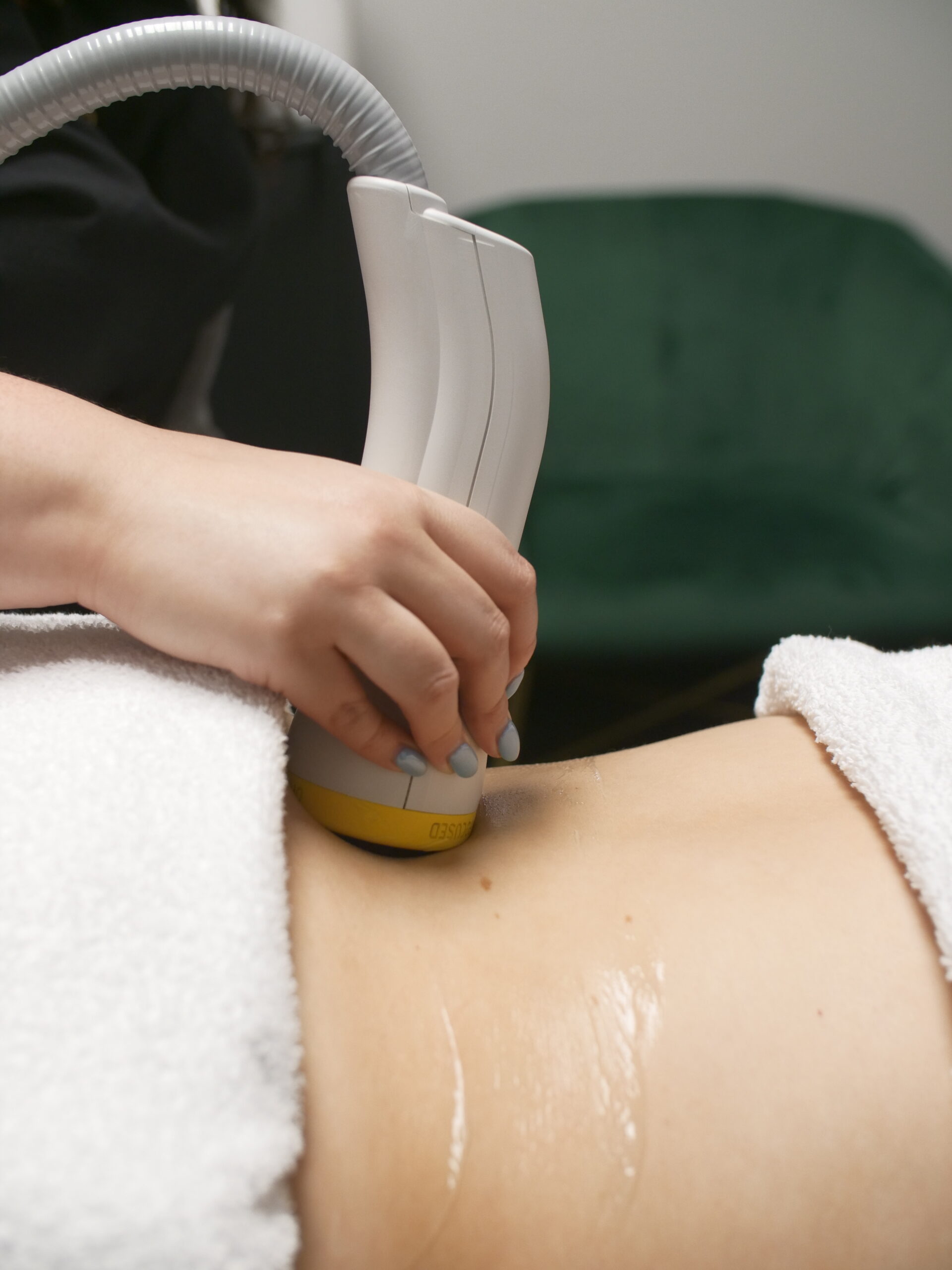
SoftWave Therapy is performed externally on the body.
A provider identifies the area being treated and applies the therapy to the targeted region.
Because the treatment does not require an injection or surgical incision, there is no wound that needs to heal afterward.
The sensation can vary depending on the treatment area and settings. Some people may experience pressure or discomfort during treatment.
Your provider can adjust the treatment based on your tolerance and the area being addressed.
The length and number of sessions can vary depending on the condition and individual treatment plan.
Does SoftWave Therapy Require Surgery?
No. SoftWave Therapy is a non-invasive treatment approach and does not involve a surgical incision.
This is one reason people may consider it when exploring conservative treatment options.
However, avoiding surgery is not always the appropriate goal. Some injuries and medical conditions require surgical intervention or other forms of medical care.
The priority should always be receiving appropriate treatment for the underlying condition.
Does SoftWave Therapy Use Injections?
No. SoftWave Therapy does not require medication to be injected into the treated area.
This may appeal to individuals who prefer to explore non-injection options for appropriate musculoskeletal concerns.
However, avoiding injections should not be confused with avoiding all medical treatment. If an injection or another medical intervention is recommended for a specific condition, that recommendation should be discussed with the appropriate healthcare professional.
Supporting Your Recovery Outside the Clinic
Treatment is only one part of recovery.
Your daily habits can also influence how your body responds.
Depending on your condition, your provider may recommend appropriate activity or exercises.
Other healthy habits may include:
-
Getting adequate sleep
-
Staying physically active within your abilities
-
Eating a balanced diet
-
Staying hydrated
-
Avoiding activities that aggravate your symptoms
-
Following your recommended treatment plan
-
Gradually returning to activities
The right approach depends on your condition.
If a particular activity consistently increases your pain, discuss it with your healthcare provider rather than pushing through significant discomfort.
SoftWave Therapy Is Not a Replacement for Medical Diagnosis
It is important to identify the source of pain before choosing treatment.
Pain can sometimes be caused by conditions that require medical evaluation. Resources from organizations such as the Cleveland Clinic emphasize the importance of getting an accurate physical assessment to rule out serious underlying conditions.
For example, sudden severe pain, significant swelling, weakness, loss of sensation, major trauma, or other concerning symptoms may require prompt medical attention.
SoftWave Therapy should not be used to delay diagnosis or treatment of a potentially serious condition.
A qualified provider can help determine whether conservative treatment is appropriate or whether another type of evaluation is needed.
What Does the Research Say?
Research into shockwave therapy has produced different results depending on the condition.
A systematic review published in 2024 found that extracorporeal shockwave therapy could be beneficial for some lower-limb and calcific tendinopathies, but it did not consistently outperform other treatment options for all upper-limb and non-calcific tendinopathies.
Another systematic review found that shockwave therapy may have potential benefits for some tendinopathies but emphasized that the quality of evidence was often low or very low.
These findings support a balanced approach.
SoftWave Therapy may be useful for selected patients, but claims that it can heal every injury or eliminate the need for all other treatments go beyond what current evidence supports.
Why Conservative Care Can Be Valuable
Conservative care focuses on treating a problem without immediately resorting to invasive procedures.
Depending on the condition, conservative treatment may include:
-
Exercise
-
Physical rehabilitation
-
Manual therapies
-
Chiropractic care
-
Activity modification
-
Education
-
SoftWave Therapy
-
Other non-invasive approaches
The appropriate combination depends on the person and the condition.
The purpose is to find a treatment strategy that supports function and recovery while avoiding unnecessary intervention.
How Abundant Life Chiropractic Can Help
Abundant Life Chiropractic provides personalized care in Chanhassen, Minnesota.
SoftWave Therapy may be considered as part of a broader approach to musculoskeletal health when appropriate.
The clinic’s approach focuses on understanding your individual concerns rather than assuming that one treatment is right for everyone.
Learn more about us.
Frequently Asked Questions
What is SoftWave Therapy?
SoftWave Therapy is a non-invasive acoustic-wave treatment designed to deliver mechanical energy to targeted areas of the body.
Does SoftWave Therapy involve injections?
No. SoftWave Therapy is performed externally and does not require injections.
Does SoftWave Therapy require surgery?
No. The treatment does not require surgical incisions.
Can SoftWave Therapy help with pain?
It may help some people with certain musculoskeletal conditions. Research on shockwave therapy shows varying results depending on the condition being treated.
Can SoftWave Therapy help tendon problems?
Shockwave therapy has been studied for several tendinopathies, but results vary. Some conditions may respond better than others, and current evidence does not support treating every tendon problem with shockwave therapy.
How many SoftWave sessions will I need?
There is no universal number. The appropriate treatment schedule depends on your condition, goals, response to treatment, and provider recommendations.
Is SoftWave Therapy painful?
The sensation can vary. Some people experience pressure or discomfort during treatment, depending on the treatment area and settings.
Can SoftWave Therapy replace surgery?
It should not be presented as a guaranteed alternative to surgery. Some conditions require surgery or other medical treatment.
Can SoftWave Therapy be combined with other treatments?
It may be incorporated into a broader conservative care plan when appropriate.
Is SoftWave Therapy safe?
The safety and effectiveness of acoustic or shockwave therapy depend on the specific technology, treatment settings, condition, and patient. Research generally reports manageable side effects, but appropriate patient selection remains important.
Should I receive an evaluation before SoftWave Therapy?
Yes. An appropriate evaluation can help determine whether SoftWave Therapy is suitable for your condition and whether additional medical assessment is needed.
Conclusion
SoftWave Therapy offers a non-invasive approach for people exploring conservative options for certain musculoskeletal concerns.
Because it does not require injections or surgery, it may be an appealing treatment option for appropriately selected patients. Acoustic and shockwave therapies have been studied for conditions involving tendons and other musculoskeletal structures, with research showing potential benefits for some conditions but mixed or uncertain results for others.
That is why personalized evaluation matters.
SoftWave Therapy should not be viewed as a guaranteed cure or as a replacement for every other treatment. Instead, it can potentially serve as one component of a broader approach that may include movement, rehabilitation, lifestyle changes, and other conservative treatments.
At Abundant Life Chiropractic in Chanhassen, Minnesota, SoftWave Therapy may be considered based on your individual needs and circumstances.
If you are dealing with persistent pain, stiffness, or a musculoskeletal condition and want to explore non-invasive treatment options, schedule an appointment with Abundant Life Chiropractic to learn more about whether SoftWave Therapy may be appropriate for you. You can also contact us to learn more about the available services offered by Abundant Life Chiropractic.
-
Phone: (952) 300-8338
-
Address: 7945 Stone Creek Drive #120 Chanhassen, MN
-
Website: abundantlifechiropractor.com
The post How SoftWave Therapy Helps Your Body Heal Without Injections or Surgery appeared first on Abundant Life Chiropractic Health Center.
from
https://abundantlifechiropractor.com/softwave-therapy-natural-healing-without-surgery/
from
https://abundantlifechiropractic0.blogspot.com/2026/10/how-softwave-therapy-helps-your-body.html


No comments:
Post a Comment