Recovering Faster After Accidents with Comprehensive Auto Injury Treatment

Auto accidents can happen in an instant, yet their effects can linger for weeks, months, or even years. Whether it’s a minor collision or a major crash, the human body absorbs a tremendous amount of force during impact. While some injuries are immediately noticeable, many develop slowly over time, making early and comprehensive care essential for full recovery.
Too often, accident victims assume they are fine because they don’t feel pain right away. However, adrenaline and shock can mask symptoms, allowing underlying injuries to worsen unnoticed. Without proper treatment, these injuries may lead to chronic pain, reduced mobility, and long-term health complications.
This is why comprehensive auto injury treatment plays such a critical role in recovery. By addressing both visible and hidden injuries, this approach promotes faster healing, restores function, and helps individuals return to their normal lives with confidence.
In this in-depth guide, we’ll explore the importance of early care, the types of injuries caused by auto accidents, effective treatment options, and actionable steps you can take to accelerate your recovery.
The Hidden Impact of Auto Accidents on the Body
Even low-speed collisions can place surprising stress on the body, often more than people expect. When a vehicle suddenly stops, accelerates, or changes direction, the body continues moving due to inertia. This abrupt motion can strain muscles, joints, ligaments, and other connective tissues. Even without visible damage, the force can cause micro-tears, inflammation, and misalignments, particularly in the neck and spine. These subtle injuries may not cause immediate pain but can worsen over time, leading to stiffness, discomfort, and reduced mobility. That’s why it’s important to monitor your condition closely and seek proper evaluation after any accident, no matter how minor it seems.
How the Body Responds to Trauma
During an accident, the body undergoes rapid acceleration and deceleration, causing sudden forces to act on muscles, ligaments, and joints. This abrupt movement can strain soft tissues, misalign the spine, compress nerves, and lead to bruising, inflammation, and long-term pain if injuries are not promptly evaluated and treated.
-
Stretch and tear soft tissues
-
Misalign the spine
-
Compress nerves
-
Disrupt normal joint function
These effects are not always immediately painful, which is why injuries can go unnoticed until inflammation and stiffness set in later.
Common Auto Accident Injuries
Understanding the types of injuries you may experience after an accident is essential for protecting your health and ensuring timely recovery. Many injuries are not immediately obvious, and recognizing early signs can prevent them from worsening. By being aware of common symptoms such as pain, stiffness, dizziness, or limited mobility, you can take prompt action and seek appropriate care. Early identification allows healthcare professionals to diagnose underlying issues accurately and provide effective treatment, ultimately reducing the risk of long-term complications and helping you return to your normal activities more quickly and safely.
Whiplash and Neck Injuries
Whiplash, a common injury in rear-end collisions, happens when the neck is violently jerked forward and backward, often causing pain, stiffness, headaches, and limited range of motion.
Symptoms include:
-
Neck stiffness and pain
-
Headaches
-
Dizziness
-
Reduced range of motion
If untreated, whiplash can lead to chronic neck pain and long-term mobility issues.
Soft Tissue Injuries
Soft tissues—comprising muscles, ligaments, and tendons—are particularly vulnerable during an accident. Sudden impact or force can stretch, strain, or even tear these tissues, leading to pain, swelling, and limited mobility.
Common symptoms:
-
Swelling
-
Bruising
-
Tenderness
-
Limited movement
Soft tissue injuries may worsen over time if not properly treated.
Back and Spinal Injuries
The spine is essential for supporting the body’s weight and safeguarding the nervous system. Auto accidents can lead to injuries such as herniated or bulging discs, spinal misalignments, chronic back pain, and nerve compression, all of which may affect mobility and overall health.
-
Herniated or bulging discs
-
Spinal misalignments
-
Lower back pain
-
Sciatica
These conditions can interfere with daily activities and lead to long-term discomfort if left untreated.
Head Injuries and Concussions
Even minor head trauma can lead to serious issues. Concussions may occur without direct head impact, causing symptoms like headaches, dizziness, memory problems, fatigue, and sensitivity to light or sound.
Symptoms include:
-
Headaches
-
Memory issues
-
Sensitivity to light
-
Fatigue
Prompt evaluation is essential to prevent complications.
Joint Injuries
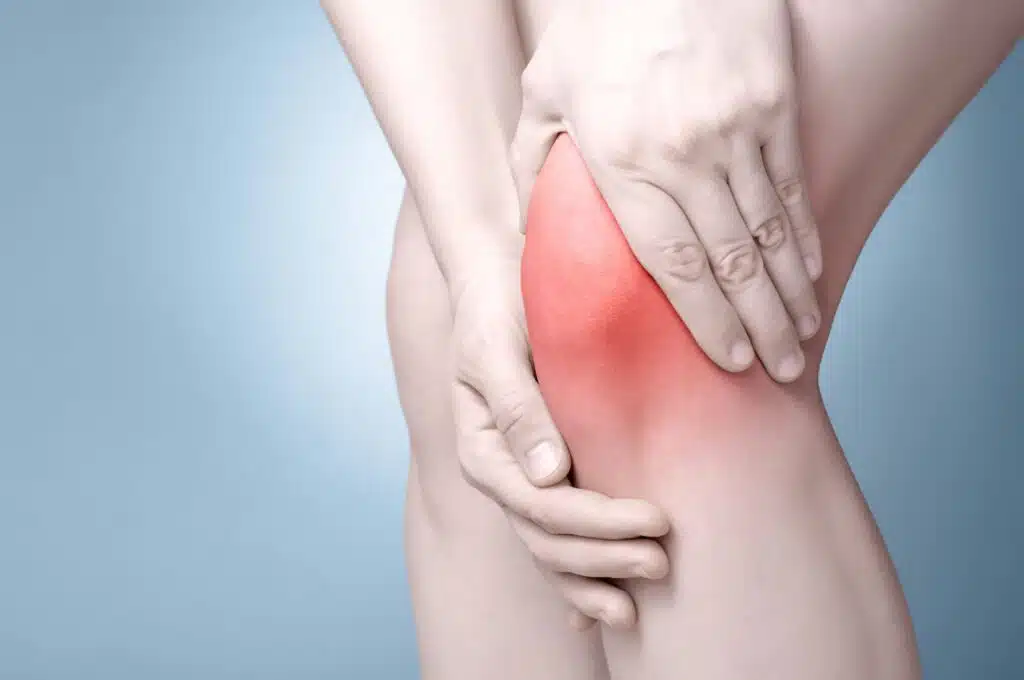
Joints like the shoulders, knees, and hips frequently bear the force of impact during collisions, making them prone to injuries such as inflammation, pain, reduced mobility, and long-term discomfort if untreated.
Common issues:
-
Inflammation
-
Pain during movement
-
Reduced flexibility
Psychological Effects
Auto accidents affect more than just the body; they can also take a significant toll on mental health, leading to anxiety, stress, sleep disturbances, and even post-traumatic emotional challenges.
Emotional symptoms may include:
-
Anxiety
-
Stress
-
Sleep disturbances
-
Post-traumatic stress
Addressing both physical and emotional health is key to complete recovery.
Why Early Treatment Is Critical
Seeking treatment immediately after an accident can dramatically impact the speed and effectiveness of your recovery. Early care allows healthcare professionals to identify both visible and hidden injuries before they worsen, reducing the risk of chronic pain or long-term complications. Prompt evaluation helps control inflammation, prevent stiffness, and restore proper function to affected muscles, joints, and connective tissues. Additionally, early intervention provides essential documentation for insurance purposes and ensures that a personalized treatment plan can be implemented right away. Acting quickly sets the stage for a smoother, faster, and more complete recovery.
Key Benefits of Early Care
1. Prevents Chronic Pain
Untreated injuries can develop into long-term conditions that are harder to manage.
2. Reduces Inflammation
Early intervention helps control swelling and tissue damage.
3. Improves Mobility
Timely care restores movement and prevents stiffness.
4. Speeds Up Healing
Proper treatment supports the body’s natural healing processes.
5. Strengthens Insurance Claims
Medical documentation provides evidence for injury-related claims.
What Is Comprehensive Auto Injury Treatment?
Comprehensive care goes beyond merely treating symptoms—it focuses on the whole person and the underlying causes of injury. Rather than simply masking pain, this approach identifies the source of dysfunction, whether it involves misaligned joints, strained muscles, or nerve irritation. By addressing these root issues, comprehensive care promotes true healing, restores proper function, and prevents future complications. It integrates multiple therapies, tailored treatment plans, and lifestyle guidance to support both physical recovery and overall well-being, ensuring that patients not only feel better in the short term but also maintain long-term health and improved quality of life.
Core Elements
Thorough Diagnosis
A detailed assessment identifies all injuries, including those not immediately visible.
Customized Treatment Plans
Each patient receives a plan tailored to their specific condition and recovery goals.
Integrated Therapies
Combining multiple treatments ensures optimal results.
Effective Treatments for Faster Recovery
Chiropractic Care
Chiropractic adjustments help restore proper spinal alignment, relieve pressure on nerves, improve nervous system function, reduce pain, enhance mobility, and support the body’s natural healing process for faster, more effective recovery.
Benefits:
- Pain relief without medication
- Improved posture
- Enhanced mobility
Physical Therapy
Physical therapy aims to restore strength, flexibility, and range of motion, helping injured muscles and joints recover, improving mobility, reducing pain, and supporting a safe, gradual return to normal daily activities.
Includes:
- Targeted exercises
- Stretching routines
- Posture correction
Massage Therapy
Massage therapy helps relax tense muscles, reduce stress, and improve blood circulation, which promotes healing, alleviates pain, enhances flexibility, and supports overall recovery after injuries or physical strain.
Benefits:
- Reduces muscle tension
- Enhances recovery
- Relieves stress
Spinal Decompression Therapy
This non-invasive technique gently relieves pressure on spinal discs, reducing nerve compression, alleviating back pain, improving mobility, and supporting the body’s natural healing without the need for surgery or invasive procedures.
Best for:
- Herniated discs
- Chronic back pain
Cold Laser Therapy
Cold laser therapy utilizes focused light energy to reduce inflammation, stimulate tissue repair, relieve pain, and accelerate the healing of muscles, ligaments, and joints without invasive procedures.
Advantages:
- Reduces inflammation
- Promotes tissue repair
- Non-invasive and painless
Rehabilitation Programs
Rehabilitation exercises are crucial for long-term recovery, helping restore strength, flexibility, and endurance, improve joint function, prevent re-injury, and support a full return to daily activities and overall mobility.
Focus areas:
- Strength
- Flexibility
- Endurance
The Role of Holistic Healing
True recovery extends far beyond addressing just the physical injuries sustained in an accident. A holistic approach considers the full spectrum of a person’s health, including emotional, mental, and lifestyle factors that influence healing. By integrating physical therapy, chiropractic care, stress management, nutrition, and supportive wellness practices, patients can achieve more complete and lasting recovery. This comprehensive focus not only helps repair the body but also strengthens resilience, reduces the risk of chronic pain, and promotes overall well-being, ensuring that individuals regain both their health and confidence in daily activities.
Lifestyle Changes for Recovery
- Maintain proper posture
- Stay physically active
- Eat nutrient-rich foods
- Get sufficient sleep
Emotional and Mental Health Support
- Practice stress management techniques
- Seek counseling if needed
- Stay connected with support systems
Tips to Speed Up Your Recovery
1. Follow Your Treatment Plan
Consistency is crucial. Skipping appointments or exercises can delay healing.
2. Stay Active Safely
Gentle movement prevents stiffness and promotes circulation.
3. Use Ice and Heat Therapy
- Ice reduces swelling
- Heat relaxes muscles
4. Maintain Good Posture
Proper alignment reduces strain on injured areas.
5. Stay Hydrated
Water supports tissue repair and overall health.
6. Eat a Balanced Diet
Nutrients like protein, vitamins, and minerals are essential for healing.
7. Get Enough Rest
Sleep allows the body to repair itself more efficiently.
Long-Term Benefits of Comprehensive Treatment
Prevents Chronic Conditions
Early care reduces the risk of long-term pain and complications.
Restores Quality of Life
Pain-free movement allows you to return to normal activities.
Reduces Medication Dependence
Natural treatments minimize the need for painkillers.
Improves Overall Health
Holistic care enhances both physical and mental well-being.
When Should You Seek Treatment?
You should seek professional care if you experience:
-
Persistent pain
-
Headaches or dizziness
-
Limited mobility
-
Numbness or tingling
-
Fatigue or confusion
Even if symptoms seem minor, it’s best to get evaluated.
FAQs About Auto Injury Treatment
1. How soon should I see a doctor after an accident?
Ideally within 24–72 hours, even if you feel fine.
2. Can symptoms appear later?
Yes, many injuries develop days or weeks after the accident.
3. Is chiropractic care safe?
Yes, when performed by a licensed professional, it is safe and effective.
4. How long does recovery take?
Recovery varies depending on injury severity and treatment consistency.
5. Will insurance cover treatment?
Many insurance plans cover accident-related care. Check with your provider.
6. Do I need a referral?
In many cases, no referral is required, but it depends on your insurance.
7. What if I feel fine?
You should still get evaluated to rule out hidden injuries.
8. Can I return to normal activities quickly?
It depends on your condition, but gradual return is recommended.
9. Are treatments painful?
Most treatments are non-invasive and designed to relieve pain.
10. What happens if I delay treatment?
Delaying care can lead to chronic pain and longer recovery times.
Conclusion
Recovering from an auto accident involves more than simply allowing time to pass—it requires proactive, targeted care. Comprehensive auto injury treatment focuses on identifying and addressing the root causes of pain, supporting the body’s natural healing processes, and preventing long-term complications that can affect mobility and quality of life. By seeking early intervention, following a personalized treatment plan, and incorporating healthy lifestyle choices such as proper nutrition, gentle exercise, and stress management, patients can accelerate recovery and reduce the risk of chronic issues. Taking these proactive steps today lays the foundation for a faster, more complete recovery tomorrow.
Take the First Step Toward Recovery Today
Don’t let an auto accident impact your long-term health and well-being. With the right care, you can recover faster, feel better, and regain control of your life.
Contact us today to schedule your consultation:
Phone: (952) 300-8338
Email: ca@abundantlifechiropractor.com
Fax: (952) 737-1009
Address: 7945 Stone Creek Drive, Suite 120, Chanhassen, MN 55317
Website: abundantlifechiropractor.com
Start your journey to a pain-free, healthier life today—your recovery begins with one simple step.
The post Recovering Faster After Accidents with Comprehensive Auto Injury Treatment appeared first on Abundant Life Chiropractic Health Center.
from
https://abundantlifechiropractor.com/comprehensive-auto-injury-treatment/
from
https://abundantlifechiropractic0.blogspot.com/2026/03/recovering-faster-after-accidents-with.html



No comments:
Post a Comment