Enhancing Recovery Naturally: The Science Behind Red Light Therapy Benefits
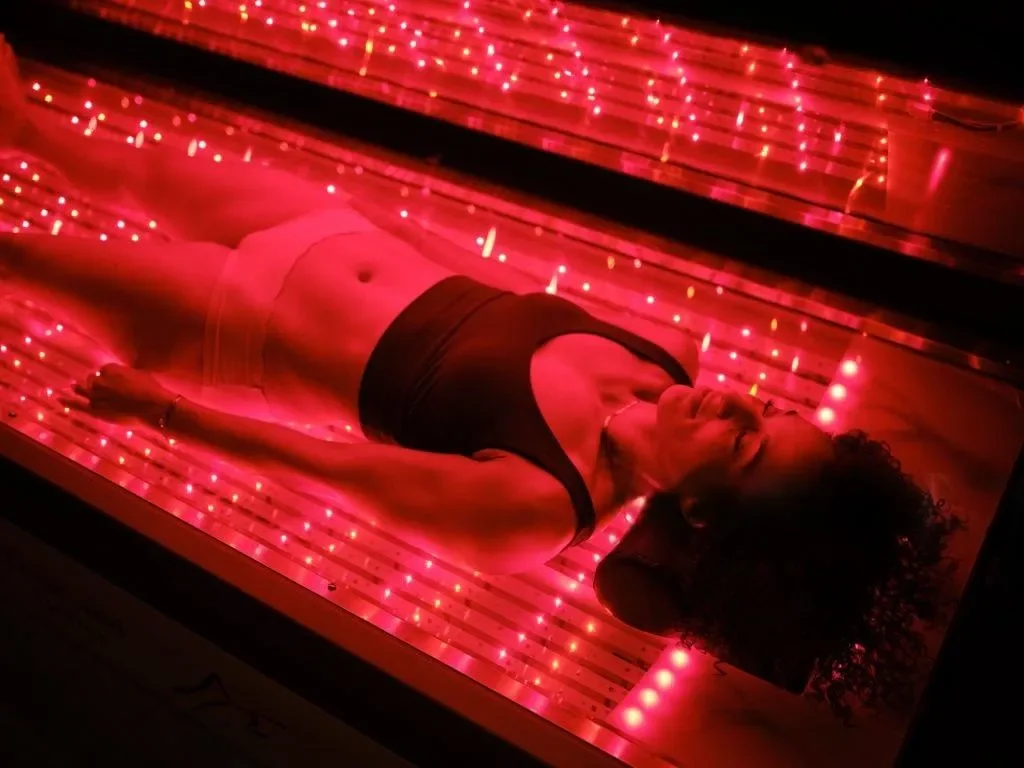
In recent years, interest in non-invasive, drug-free healing methods has grown rapidly as more people look for natural ways to manage pain, inflammation, and slow recovery. Among the most promising technologies in modern wellness and integrative healthcare is Red Light Therapy (RLT), also known as photobiomodulation therapy (PBMT) or low-level light therapy (LLLT). This innovative approach uses specific wavelengths of red and near-infrared light to stimulate cellular activity and support the body’s natural healing processes.
At Abundant Life Chiropractic Health Center, red light therapy is integrated into a holistic care model designed to enhance recovery, improve spinal health, and support optimal nervous system function. Rather than masking symptoms, this therapy works at the cellular level, helping the body repair and regenerate more efficiently from within.
What makes red light therapy especially unique is its ability to interact directly with the mitochondria, the energy-producing centers of cells. This interaction can enhance ATP production, reduce oxidative stress, and support improved circulation and tissue repair. As a result, patients may experience reduced pain, faster recovery, and improved overall function.
To fully understand its growing popularity, it is important to explore how light energy influences biological processes at the mitochondrial level and why this simple yet powerful therapy continues to gain recognition in modern healthcare.
Understanding Red Light Therapy: A Cellular-Level Approach
Red light therapy uses specific wavelengths of light, typically:
-
Red light (630–700 nm)
-
Near-infrared light (700–1100 nm)
These wavelengths penetrate the skin at different depths. Red light primarily affects surface tissues, while near-infrared light reaches deeper muscles, joints, and even bone structures.
Unlike ultraviolet (UV) light, which can damage skin cells and DNA, red and near-infrared light are non-ionizing and safe, meaning they do not cause harm when used properly.
At the core of this therapy is a biological process called photobiomodulation, where light energy is absorbed by cells and converted into biochemical energy that supports healing.
The Science: How Red Light Therapy Works in the Body
1. Mitochondrial Activation and ATP Production
Mitochondria are often referred to as the “power plants” of the cell because they generate ATP (adenosine triphosphate), the primary energy source that powers nearly all biological functions in the body. When red and near-infrared light penetrate the skin, they are absorbed by a key mitochondrial enzyme called cytochrome c oxidase. This absorption stimulates a series of biochemical reactions that enhance mitochondrial efficiency and increase ATP production. As a result, cells gain more usable energy to support repair, regeneration, and overall function. This improved cellular energy output is one of the core mechanisms behind red light therapy’s healing effects.
More ATP means:
-
Faster tissue repair
-
Improved cellular communication
-
Enhanced regeneration
-
Better overall energy availability for healing
This is one of the key reasons red light therapy is widely used in recovery protocols.
2. Reduction of Oxidative Stress
Oxidative stress occurs when there is an imbalance between free radicals and antioxidants in the body, leading to cellular damage over time. Free radicals are unstable molecules that can harm proteins, lipids, and DNA when present in excess. When the body’s antioxidant defenses are not strong enough to neutralize them, this imbalance can accelerate aging processes and contribute to inflammation. Over time, chronic oxidative stress is associated with a wide range of health concerns, including degenerative conditions and reduced tissue function. Maintaining balance between free radicals and antioxidants is essential for supporting long-term cellular health and overall physiological resilience.
Red light therapy helps regulate oxidative stress by:
-
Improving mitochondrial efficiency
-
Reducing excess reactive oxygen species (ROS)
-
Supporting antioxidant enzyme activity
The result is a more balanced cellular environment that promotes healing rather than degeneration.
3. Anti-Inflammatory Effects
Inflammation is a natural protective response to injury or tissue damage, helping the body begin the healing process. However, when inflammation becomes chronic, it can interfere with recovery and contribute to persistent pain, stiffness, and long-term health issues. Red light therapy has been shown to help regulate this process by reducing pro-inflammatory cytokines and supporting a more balanced immune response. This modulation of inflammation is especially beneficial for conditions such as joint pain, muscle injuries, arthritis, and tendon-related disorders. By calming excessive inflammatory activity, red light therapy helps the body shift more efficiently into a restorative and healing state.
-
Arthritis
-
Tendonitis
-
Muscle strains
-
Joint injuries
-
Chronic back or neck pain
By reducing inflammation at the source, the body can shift from a “stress state” to a “healing state.”
4. Improved Blood Flow and Circulation
Another major benefit of red light therapy is improved microcirculation, which enhances the delivery of oxygen and nutrients to tissues throughout the body. When blood flow increases at the capillary level, cells receive the essential resources they need for repair and regeneration more efficiently. This improved circulation also helps remove metabolic waste products that can slow healing and contribute to discomfort. As a result, tissues recover faster, inflammation may be reduced, and overall function improves. Better microcirculation is especially important for muscle recovery, joint health, and injury repair, making it a key mechanism behind red light therapy’s therapeutic effects.
Mechanisms include:
-
Vasodilation (widening of blood vessels)
-
Increased nitric oxide production
-
Enhanced oxygen delivery to tissues
Better circulation supports:
-
Faster muscle recovery
-
Reduced stiffness
-
Improved joint mobility
5. Collagen Production and Tissue Repair
Collagen is a vital structural protein that supports skin elasticity, joint health, and the strength of ligaments and tendons. It plays a key role in maintaining the integrity and flexibility of connective tissues throughout the body. Red light therapy has been shown to stimulate fibroblast activity, the cells responsible for producing collagen and other extracellular matrix components. When fibroblasts become more active, collagen synthesis increases, helping improve tissue repair and structural resilience. This process can contribute to healthier skin, faster wound healing, and stronger connective tissues, making red light therapy beneficial for both aesthetic and musculoskeletal health applications.
This leads to:
-
Stronger connective tissue
-
Faster wound healing
-
Improved skin tone and elasticity
-
Reduced scar tissue formation
Clinical and Therapeutic Applications
Red light therapy is widely used across multiple healthcare and wellness disciplines due to its broad therapeutic applications. Its versatility allows it to support both acute injuries, such as sprains, strains, and soft tissue trauma, as well as chronic conditions like arthritis, persistent inflammation, and long-term musculoskeletal pain. By working at the cellular level, it helps enhance energy production, reduce inflammation, and improve tissue repair processes. This makes it valuable in chiropractic care, sports medicine, physical therapy, and general wellness programs. Its non-invasive nature and minimal side effects further contribute to its growing use in modern integrative healthcare settings.
Pain Management
One of the most common uses is pain relief. Patients with conditions such as:
-
Lower back pain
-
Neck stiffness
-
Sciatica
-
Joint pain
often report noticeable improvements in comfort and mobility after consistent sessions.
Sports Recovery
Athletes use red light therapy to:
-
Reduce post-workout soreness
-
Improve muscle recovery time
-
Prevent overuse injuries
-
Enhance performance consistency
It is increasingly common in professional sports training environments due to its ability to accelerate recovery without medication.
Neurological and Nervous System Support
Emerging research suggests that red light therapy may support nerve regeneration and improve overall neurological function by enhancing cellular energy production and reducing oxidative stress within nerve tissues. This potential for neural support is particularly relevant in chiropractic care, where maintaining proper nervous system balance is central to overall health and function. By promoting improved communication between nerves and reducing inflammation around neural pathways, red light therapy may contribute to better recovery from nerve-related irritation or injury. While more studies are ongoing, early findings indicate it could be a valuable complementary tool in supporting nervous system health and rehabilitation outcomes.
Potential benefits include:
-
Reduced nerve irritation
-
Improved signaling efficiency
-
Enhanced parasympathetic (rest-and-repair) activity
Post-Injury Rehabilitation
Red light therapy is commonly used in rehabilitation programs for:
-
Sprains and strains
-
Ligament injuries
-
Post-surgical recovery
-
Soft tissue damage
By accelerating tissue repair, patients may regain function more quickly.
Red Light Therapy in Chiropractic Care
At clinics like Abundant Life Chiropractic Health Center, red light therapy is often combined with chiropractic adjustments to enhance overall treatment outcomes and support more efficient healing. Chiropractic care primarily focuses on restoring proper spinal alignment and optimizing nervous system function, which helps the body communicate and regulate itself more effectively. In contrast, red light therapy supports cellular repair, reduces inflammation, and improves tissue recovery at a biological level. When used together, these approaches create a complementary effect, addressing both structural alignment and cellular health. This combination may help patients experience improved mobility, reduced pain, and faster recovery times.
-
Cellular healing
-
Inflammation reduction
-
Muscle relaxation
Together, these therapies create a synergistic effect that addresses both structural and cellular aspects of health.
What to Expect During a Session
A typical red light therapy session is simple and comfortable:
-
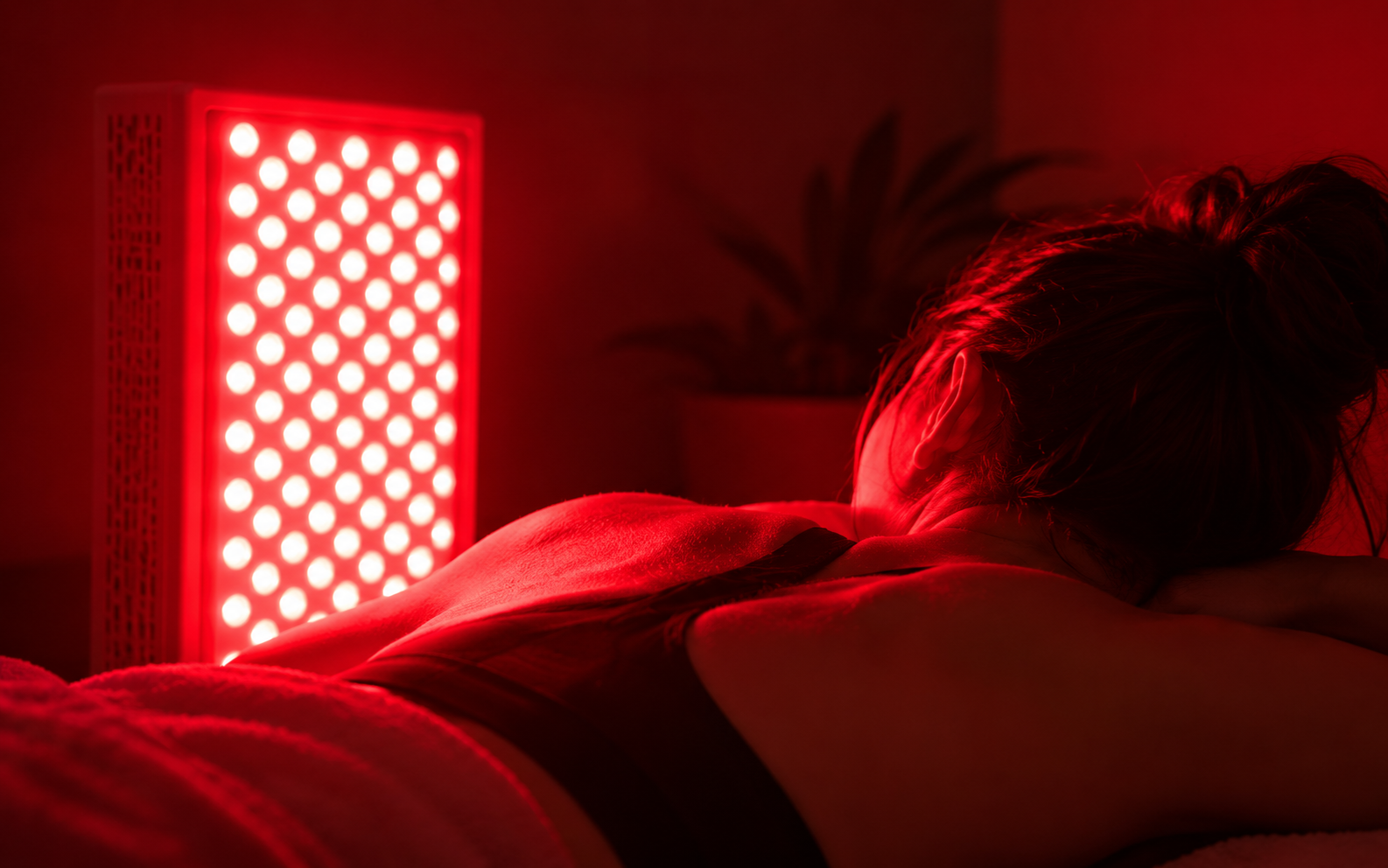
The targeted area is exposed to specialized light panels or pads
-
Wavelengths penetrate the tissue for 10–20 minutes
-
The patient may feel gentle warmth but no pain
-
No downtime is required afterward
Most people find the experience relaxing, similar to resting under warm therapeutic light.
How Often Should You Use Red Light Therapy?
Frequency depends on individual goals:
-
Acute injuries: 3–5 sessions per week
-
Chronic pain: 2–4 sessions per week
-
General wellness: 1–2 sessions per week
Consistency is key, as cumulative effects build over time at the cellular level.
Safety and Side Effects
Red light therapy is considered very safe when used properly. It does not involve:
-
UV radiation
-
Heat damage
-
Invasive procedures
-
Medication
Side effects are rare but may include:
-
Mild redness in sensitive skin
-
Temporary warmth in treated areas
It is generally suitable for most age groups, although individuals with specific medical conditions should consult a healthcare provider first.
Limitations of Red Light Therapy
While powerful, red light therapy is not a cure-all. It works best as part of a broader health strategy that may include:
-
Chiropractic care
-
Nutrition optimization
-
Exercise and mobility work
-
Stress management
It is also important to use proper wavelengths and clinically validated devices for effective results.
Frequently Asked Questions (FAQs)
1. How long does it take to see results?
Some people notice improvements within a few sessions, while others may require several weeks of consistent use.
2. Can red light therapy replace medication?
No. It is a supportive therapy, not a replacement for prescribed medical treatment.
3. Is it safe for daily use?
Yes, in most cases daily use is safe and sometimes recommended depending on condition severity.
4. Does it help with chronic pain?
Yes, many patients report reduced chronic pain due to decreased inflammation and improved tissue repair.
5. Can it help with skin conditions?
Yes, it may improve acne, scars, and skin texture by stimulating collagen production.
6. Do I need special preparation before a session?
No special preparation is needed. Simply expose the target area as directed by your provider.
The Future of Red Light Therapy
As research expands, red light therapy is being studied for additional applications including:
-
Brain health and cognitive performance
-
Mood regulation and seasonal affective disorder
-
Metabolic function and fat reduction
-
Immune system modulation
The growing body of evidence suggests that light-based therapies may play a larger role in future integrative medicine.
Conclusion
Red light therapy represents a breakthrough in natural, non-invasive healing. By targeting the body at a cellular level, it enhances energy production, reduces inflammation, and supports tissue regeneration.
When integrated into a comprehensive wellness plan—especially alongside chiropractic care—it can significantly improve recovery outcomes and overall quality of life.
Whether you are dealing with chronic pain, recovering from an injury, or simply seeking to optimize your health, red light therapy offers a scientifically grounded, drug-free solution worth considering.
If you are ready to experience the benefits of natural recovery and advanced healing technology, Abundant Life Chiropractic Health Center is here to help.
Take the next step toward improved mobility, reduced pain, and better overall health today.
Contact Information
Abundant Life Chiropractic Health Center
📍 7945 Stone Creek Drive #120
Chanhassen, MN 55317
📞 Phone: (952) 300-8338
📧 Email: ca@abundantlifechiropractor.com
🌐 Website: https://abundantlifechiropractor.com
The post Enhancing Recovery Naturally: The Science Behind Red Light Therapy Benefits appeared first on Abundant Life Chiropractic Health Center.
from
https://abundantlifechiropractor.com/red-light-therapy-benefits-recovery/
from
https://abundantlifechiropractic0.blogspot.com/2026/05/enhancing-recovery-naturally-science.html



No comments:
Post a Comment