Modern Approaches to Nerve Pain Relief and Neuropathy Symptom Management

Neuropathy and chronic nerve pain are among the most misunderstood and difficult-to-treat conditions affecting millions of people worldwide. These conditions often begin subtly—mild tingling in the toes, occasional numbness in the fingers, or a burning sensation in the feet. Over time, however, symptoms may progress into persistent pain, loss of sensation, balance issues, and significant limitations in daily life.
For many individuals, neuropathy becomes more than a physical condition—it affects sleep, emotional well-being, mobility, independence, and overall quality of life.
At Abundant Life Chiropractic Health Center, we recognize that nerve pain is not just a symptom to mask, but a signal that the nervous system is under stress. Modern approaches to neuropathy focus on restoring nerve function, improving circulation, and addressing underlying causes rather than simply numbing discomfort.
This article explores advanced, non-invasive strategies for nerve pain relief and neuropathy symptom management, including how modern chiropractic care and regenerative therapies are changing outcomes for patients.
Understanding Neuropathy: What Is Happening in the Body?
Neuropathy refers to damage or dysfunction of the peripheral nerves—the vast network of nerves outside the brain and spinal cord. These nerves are responsible for sending sensory and motor signals throughout the body, including:
-
Touch and pressure
-
Temperature
-
Pain signals
-
Muscle movement
-
Reflex responses
When these nerves are damaged, communication between the brain and body becomes disrupted. This leads to a wide range of symptoms that vary depending on the severity and location of nerve involvement.
Common Symptoms of Neuropathy
Patients often report:
-
Burning, stabbing, or electric-like pain
-
Tingling or “pins and needles” sensations
-
Numbness in hands, feet, arms, or legs
-
Muscle weakness or cramping
-
Loss of balance or coordination
-
Heightened sensitivity to touch (allodynia)
-
Reduced reflexes
-
Feeling like socks are bunched under the feet
Neuropathy typically begins in the extremities because the longest nerves in the body are often the most vulnerable to damage.
As the condition progresses, symptoms may move upward, affecting larger areas of the body and significantly interfering with mobility and independence.
Root Causes of Neuropathy
Neuropathy is not a single disease but rather a complex condition that can develop from many different underlying causes. These may include diabetes, poor circulation, spinal misalignment, nerve compression, injuries, infections, autoimmune disorders, nutritional deficiencies, or exposure to toxins and certain medications. Because each case of neuropathy can stem from different contributing factors, symptoms and severity vary widely from person to person. Understanding the root cause is essential for effective long-term management, as treating only the symptoms often leads to temporary relief without true recovery. Identifying and addressing the underlying issue helps support more lasting nerve health improvement.
1. Diabetes and Blood Sugar Imbalances
Diabetic neuropathy is common; high blood glucose damages small blood vessels supplying nerves, reducing oxygen and nutrients, which leads to nerve dysfunction, pain, numbness, and gradual loss of sensation over time.
2. Poor Circulation
When blood flow is restricted, nerves lack oxygen and essential nutrients needed for function and repair, resulting in weakened signaling, increased sensitivity issues, and gradual degeneration of nerve tissue over time.
3. Spinal Misalignment and Nerve Compression
Structural issues in the spine can place pressure on nerve roots, interfering with normal nerve signaling pathways, which may cause pain, numbness, weakness, and reduced communication between the brain and body.
4. Injury or Trauma
Physical injuries, repetitive stress, or accidents can directly damage nerves or surrounding tissues, leading to inflammation, disrupted nerve signaling, chronic pain, numbness, and long-term impairment of normal nerve function.
5. Nutritional Deficiencies
Deficiencies in B vitamins—especially B1, B6, and B12—can impair nerve repair and function, leading to weakness, tingling, numbness, and slower recovery of damaged nerve tissues over time.
6. Toxic Exposure
Chemotherapy drugs, heavy metals, alcohol abuse, and certain medications can contribute to nerve damage by disrupting cellular function, reducing nerve protection, and impairing normal signaling and repair processes in the nervous system.
7. Autoimmune Conditions
Some immune disorders cause the body to mistakenly attack nerve tissues, leading to inflammation and damage. Often, multiple factors overlap, making neuropathy complex, progressive, and requiring a comprehensive treatment approach.
Why Conventional Treatments Often Fall Short
Traditional medical treatment for neuropathy typically focuses on symptom control rather than nerve repair. Common prescriptions include:
-
Pain relievers
-
Anti-seizure medications
-
Antidepressants for nerve pain
-
Topical numbing agents
While these treatments may reduce discomfort, they often do not address the underlying nerve dysfunction.
Limitations of Symptom-Based Care
Patients frequently experience:
-
Temporary relief followed by recurrence
-
Medication side effects such as fatigue or dizziness
-
Gradual worsening of symptoms over time
-
Dependency on long-term medication use
This has led to growing interest in modern, integrative, and regenerative approaches that aim to restore nerve health rather than simply suppress pain.
A Modern Perspective on Neuropathy Care
Modern neuropathy treatment focuses on restoring proper function to the nervous system and supporting the body’s natural ability to heal itself. Rather than simply masking pain or numbing symptoms, the goal is to improve nerve communication, enhance circulation, and encourage nerve regeneration. This approach recognizes that long-term relief comes from addressing the underlying dysfunction, not just discomfort. At its core, modern care typically addresses three key areas: improving nervous system signaling between the brain and body, increasing blood flow to damaged nerves for better nutrient delivery, and reducing inflammation that interferes with healing and normal nerve function over time.
1. Nervous System Communication
Improving signal flow between the brain, spinal cord, and peripheral nerves is essential for restoring function, enhancing coordination, reducing symptoms, and supporting overall nervous system health and efficient communication throughout the body.
2. Circulation and Oxygen Delivery
Healthy nerves require consistent blood flow to function properly. Without adequate oxygen and nutrients, nerve cells cannot repair efficiently, leading to weakened signaling, increased dysfunction, and slower recovery from damage over time.
3. Inflammation Reduction
Chronic inflammation can damage nerve tissue, disrupt normal signaling, and slow healing processes. Reducing inflammatory stress is critical for recovery, helping restore nerve function, improve comfort, and support long-term neurological health.
Chiropractic Care and Neuropathy Relief
Chiropractic care plays a central role in many modern neuropathy treatment programs because it focuses on the health and alignment of the spine, which is the main communication pathway of the nervous system. When the spine is misaligned, it can create pressure or irritation on nearby nerves, disrupting the normal flow of signals between the brain and the body. This interference may contribute to pain, numbness, or weakness in affected areas. By using gentle adjustments and corrective techniques, chiropractic care aims to restore proper alignment, reduce nerve stress, and support improved communication and overall nervous system function.
Chiropractic approaches may include:
-
Gentle spinal adjustments
-
Nerve decompression techniques
-
Postural correction strategies
-
Soft tissue therapy
-
Neuromuscular re-education
These techniques aim to relieve pressure on affected nerves and improve overall nervous system function.
Many patients report improvements in mobility, reduced pain, and better balance after consistent chiropractic care.
Regenerative and Modern Non-Invasive Therapies
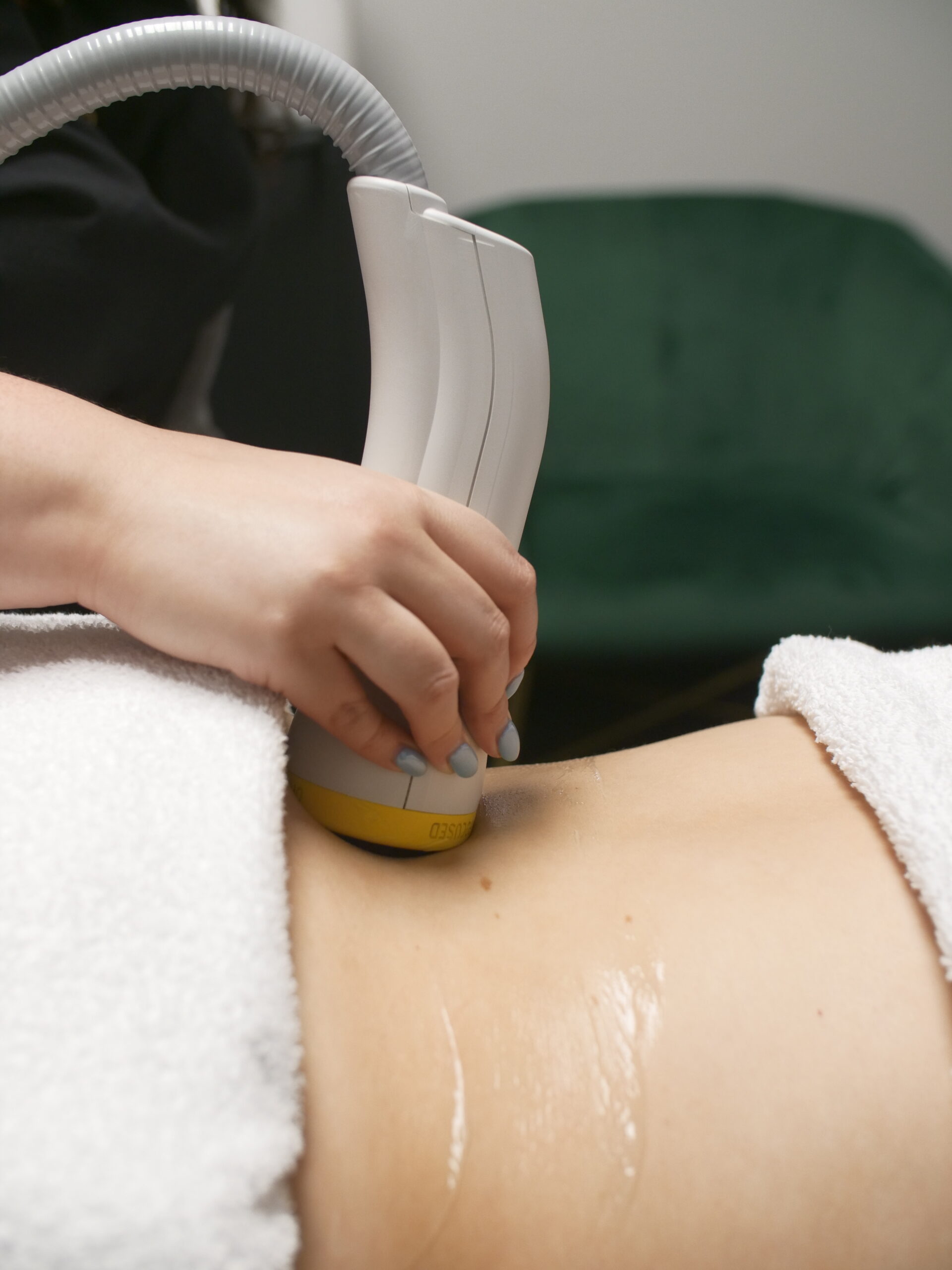
At Abundant Life Chiropractic Health Center, modern technology is integrated into neuropathy care plans to support nerve regeneration and the body’s natural healing response. These advanced, non-invasive therapies are designed to improve circulation, reduce inflammation, and stimulate damaged nerve tissues. By enhancing cellular activity and improving communication within the nervous system, these technologies help create an environment where nerves can function more efficiently and potentially repair over time. Combined with chiropractic care and lifestyle support, this integrative approach aims to address the root causes of neuropathy symptoms while promoting long-term improvement in comfort, mobility, and overall nerve health.
SoftWave Tissue Regenerative Technology
This advanced therapy uses acoustic sound waves to stimulate the body’s natural repair mechanisms. It helps:
-
Increase blood circulation
-
Reduce inflammation
-
Activate stem cell activity
-
Promote tissue regeneration
Light Therapy (Photobiomodulation)
Specific wavelengths of light are used to penetrate tissues and stimulate cellular repair processes. Benefits may include:
-
Reduced nerve inflammation
-
Improved cellular energy production
-
Enhanced tissue recovery
Electrical Nerve Stimulation Therapy
Low-level electrical impulses help “retrain” damaged nerves, improving communication between the peripheral nerves and central nervous system.
These therapies are often combined for synergistic effects, providing a multi-layered approach to nerve healing.
Improving Circulation for Nerve Health
One of the most important factors in neuropathy recovery is circulation. Without proper blood flow, nerves cannot receive the oxygen and nutrients they need to repair.
Modern care strategies may help improve circulation through:
-
Targeted physical therapies
-
Movement and exercise programs
-
Soft tissue stimulation
-
Regenerative technologies
Improved circulation often leads to noticeable reductions in tingling, burning, and numbness.
Nutrition and Lifestyle Factors
Nerve health is strongly influenced by daily habits and nutritional status, as the nervous system depends on consistent support from both lifestyle choices and essential nutrients. Poor diet, dehydration, lack of movement, chronic stress, and insufficient sleep can all contribute to increased nerve irritation and slower healing. On the other hand, a balanced diet rich in B vitamins, antioxidants, and healthy fats helps support nerve repair and function. Regular physical activity improves circulation, delivering oxygen and nutrients to damaged nerves. Together, healthy habits and proper nutrition play a vital role in maintaining nerve integrity and supporting long-term neurological well-being.
Key Nutrients for Nerve Repair
-
Vitamin B1 (thiamine)
-
Vitamin B6 (pyridoxine)
-
Vitamin B12 (methylcobalamin)
-
Alpha-lipoic acid
-
Omega-3 fatty acids
Lifestyle Recommendations
-
Regular low-impact exercise (walking, stretching)
-
Blood sugar management
-
Smoking cessation
-
Hydration support
-
Stress reduction techniques
Even small improvements in lifestyle habits can significantly support nerve healing over time.
Emotional and Psychological Impact of Neuropathy
Neuropathy is not just a physical condition. Chronic pain often leads to emotional stress, anxiety, sleep disturbances, reduced quality of life, and decreased daily function, affecting both body and mind significantly.
-
Anxiety and depression
-
Sleep disturbances
-
Reduced social activity
-
Loss of independence
Modern care recognizes the importance of addressing both physical and emotional aspects of chronic pain. Restoring hope and function is an essential part of the healing process.
Benefits of a Modern Neuropathy Treatment Approach
Patients who follow a comprehensive, multi-modal neuropathy program often experience reduced pain, improved nerve function, better balance, increased sensation, enhanced mobility, and an overall improved quality of life with consistent care.
-
Reduced burning and tingling sensations
-
Improved balance and coordination
-
Increased sensation in affected areas
-
Better sleep quality
-
Greater mobility and independence
-
Reduced reliance on medications
-
Improved overall quality of life
While results vary depending on severity and duration, many patients experience meaningful improvements when care is consistent and individualized.
Frequently Asked Questions (FAQs)
1. Can neuropathy be reversed?
In some cases, nerve function can improve significantly when the underlying cause is addressed and early intervention is provided.
2. How long does neuropathy treatment take?
Recovery timelines vary. Some patients notice improvement within weeks, while others require several months of consistent care.
3. Is neuropathy always permanent?
No. While some cases are chronic, many patients experience improvement when circulation, inflammation, and nerve function are addressed.
4. Are modern neuropathy treatments safe?
Yes. Most modern approaches used in chiropractic and regenerative care are non-invasive and drug-free.
5. What is the most effective treatment for neuropathy?
The best outcomes typically come from a combination of therapies that address nerve function, circulation, inflammation, and lifestyle factors.
Conclusion
Neuropathy and chronic nerve pain are complex conditions that require a comprehensive and modern approach. While traditional methods often focus on temporary symptom relief, today’s advanced care strategies aim to restore nerve function, improve circulation, and support long-term healing.
Through a combination of chiropractic care, regenerative technologies, and lifestyle optimization, many patients are finding renewed hope and meaningful improvement in their symptoms.
At Abundant Life Chiropractic Health Center, the goal is not just to manage pain—but to help patients restore nervous system function and reclaim their quality of life.
If you are experiencing nerve pain, tingling, numbness, or symptoms of neuropathy, early action can make a significant difference in your recovery journey.
Contact Abundant Life Chiropractic Health Center today:
📍 Address: 7945 Stone Creek Drive, Suite 120, Chanhassen, MN 55317
📞 Phone: (952) 300-8338
📠 Fax: (952) 737-1009
📧 Email:pcc@abundantlifechiropractor.com
🌐 Website: https://abundantlifechiropractor.com/
Take the first step toward restoring nerve health, improving mobility, and reclaiming your life.
The post Modern Approaches to Nerve Pain Relief and Neuropathy Symptom Management appeared first on Abundant Life Chiropractic Health Center.
from
https://abundantlifechiropractor.com/nerve-pain-relief-neuropathy-management/
from
https://abundantlifechiropractic0.blogspot.com/2026/04/modern-approaches-to-nerve-pain-relief.html



No comments:
Post a Comment