Spinal Decompression Therapy in Chanhassen, MN: A Complete Guide to Relieving Back Pain and Improving Spinal Health
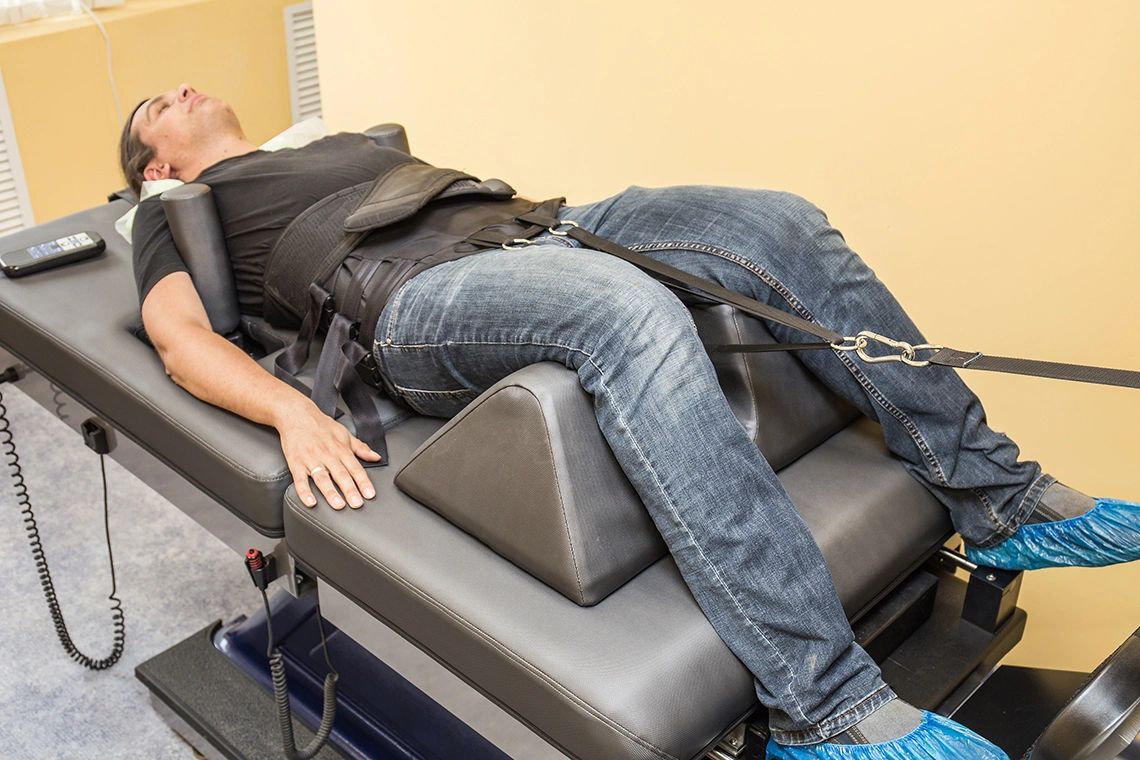
Chronic back pain, herniated discs, sciatica, and other spinal conditions affect millions of Americans each year, limiting mobility, decreasing quality of life, and affecting overall well-being. If you’re in Chanhassen, MN, and looking for a non-invasive solution to chronic spinal discomfort, spinal decompression therapy could be the answer.
At Abundant Life Chiropractic, we specialize in advanced spinal decompression therapy that targets the root causes of pain. Using state-of-the-art technology and personalized care, our chiropractors help patients regain mobility, reduce pain, and restore a healthy spine naturally.
This comprehensive guide will explore what spinal decompression therapy is, how it works, who can benefit, what to expect during treatment, research supporting its effectiveness, at-home practices to enhance results, and why choosing Abundant Life Chiropractic in Chanhassen, MN, can transform your life.
Understanding Spinal Decompression Therapy
Spinal decompression therapy is a non-surgical, drug-free treatment designed to relieve pressure on spinal discs and nerves. The therapy works by gently stretching the spine using a motorized traction table or similar device, creating a negative pressure within the discs. This negative pressure can:
-
Encourage the retraction or reduction of herniated or bulging discs
-
Promote the flow of oxygen, water, and nutrient-rich fluids into damaged discs
-
Reduce nerve compression and inflammation
-
Relieve chronic pain in the lower back, neck, and legs
Unlike traditional traction, spinal decompression therapy is precise, controlled, and carefully monitored to ensure safety and effectiveness. The goal is to restore spinal alignment, reduce nerve irritation, and improve overall function.
How Spinal Decompression Therapy Works
Spinal decompression therapy uses a mechanical process to gently stretch the spine, relieving pressure on discs and nerves. The therapy carefully separates vertebrae, creates negative pressure, encourages nutrient flow to discs, reduces pain, and promotes healing. Step-by-step, it restores alignment, improves mobility, and supports long-term spinal health.
-
Evaluation and Assessment – Your treatment begins with a thorough assessment, including your medical history, a physical examination, and imaging if necessary. This ensures that spinal decompression therapy is safe and appropriate for you.
-
Customized Treatment Plan – Every patient is unique. Based on your condition, pain level, and spinal structure, a personalized treatment plan is developed, outlining the number of sessions, frequency, and complementary therapies.
-
Decompression Sessions – During each session, you lie on a padded motorized decompression table. Straps secure your pelvis and chest to allow gentle stretching and movement of targeted spinal segments.
-
Controlled Negative Pressure – The table slowly elongates the spine in a controlled cycle of stretching and relaxation. This creates a negative pressure in the discs, encouraging them to retract and allowing nutrients and fluids to flow into damaged areas.
-
Monitoring and Adjustments – Our chiropractors closely monitor each session to ensure patient comfort and adjust the settings for maximum therapeutic benefit.
-
Adjunctive Therapy – Depending on your needs, spinal decompression may be combined with chiropractic adjustments, soft tissue therapy, or physical rehabilitation exercises to optimize outcomes.
Conditions Treated with Spinal Decompression Therapy
Spinal decompression therapy is effective for a wide variety of spinal conditions, including herniated or bulging discs, sciatica, degenerative disc disease, and chronic back pain. By gently stretching the spine, it relieves pressure, reduces nerve irritation, improves mobility, and promotes healing, offering long-term relief and enhanced spinal health.
-
Herniated or Bulging Discs – When a disc protrudes beyond its normal space, it can press on nearby nerves, causing pain, tingling, or numbness.
-
Degenerative Disc Disease – Over time, discs lose flexibility and fluid, leading to chronic pain and stiffness.
-
Sciatica – Compression of the sciatic nerve can cause radiating pain from the lower back down the legs.
-
Facet Syndrome – Dysfunction of the small joints in the spine can create chronic discomfort and limit mobility.
-
Spinal Stenosis – Narrowing of the spinal canal compresses nerves, leading to pain, weakness, or numbness.
-
Failed Back Surgery Syndrome – Patients with persistent pain after spinal surgery may find relief through decompression therapy.
By addressing the underlying cause rather than just the symptoms, spinal decompression therapy helps patients achieve long-term relief and improved quality of life.
Scientific Evidence Supporting Spinal Decompression Therapy
Research and clinical studies show that spinal decompression therapy can offer measurable relief for patients with various spinal disorders. Evidence indicates it reduces disc pressure, alleviates nerve compression, and improves mobility. Regular treatment can decrease pain, enhance function, and support long-term spinal health, making it a valuable therapeutic option.
-
A 2014 study in the Journal of Chiropractic Medicine found that patients with chronic lower back pain who underwent spinal decompression therapy experienced significant pain reduction and improved function compared to baseline measures.
-
Clinical observations suggest that decompression therapy reduces intradiscal pressure, allowing herniated discs to retract and decreasing nerve irritation.
-
Long-term outcomes show that patients often require fewer medications and experience less recurrence of symptoms after completing a full treatment plan.
While results may vary based on individual conditions, the non-invasive nature and potential for disc healing make spinal decompression a compelling alternative to surgery for many patients.
Benefits of Spinal Decompression Therapy
Spinal decompression therapy offers numerous benefits for patients experiencing spinal pain. It alleviates pressure on discs and nerves, reduces discomfort, improves mobility, and promotes natural healing. By addressing underlying spinal issues, this therapy enhances posture, supports long-term spinal health, and helps patients regain comfort and function in daily activities.
-
Non-invasive and Drug-Free – Avoid the risks associated with surgery and medications.
-
Pain Relief – Reduce chronic pain from herniated discs, sciatica, and nerve compression.
-
Enhanced Mobility – Improve spinal flexibility and overall function.
-
Promotes Healing – Encourages nutrient and fluid exchange for damaged discs.
-
Long-term Results – Addresses root causes of pain for lasting relief.
-
Safe and Gentle – Low-risk therapy monitored by trained professionals.
Patients often notice improvement after a few sessions, with continued progress over the treatment course.
Who Can Benefit from Spinal Decompression Therapy?
Spinal decompression therapy is suitable for a wide range of individuals, including those with herniated or bulging discs, sciatica, degenerative disc disease, or chronic back pain. It can also benefit people recovering from spinal injuries or seeking preventive care, providing pain relief, improved mobility, and long-term spinal health support.
-
Chronic lower back or neck pain
-
Pain radiating into the arms or legs
-
Herniated or bulging discs
-
Degenerative disc disease
-
Sciatica or nerve compression symptoms
-
Discomfort after spinal surgery
However, spinal decompression therapy is not suitable for everyone. Individuals with certain conditions should avoid it, including:
-
Severe osteoporosis
-
Spinal fractures
-
Spinal tumors
-
Advanced arthritis or spinal instability
A thorough consultation ensures therapy is safe and effective for each patient.
What to Expect During a Session
Understanding spinal decompression therapy can help reduce anxiety and build confidence in the process. A typical session involves gentle, controlled stretching of the spine, relieving pressure on discs and nerves. Knowing what to expect—including duration, positioning, and sensations—helps patients feel more comfortable and prepared for effective spinal care.
-
Initial Setup – Patients lie comfortably on a padded table, with straps securing the pelvis and chest for stability.
-
Gentle Stretching – The table applies controlled traction to elongate the spine and relieve pressure on discs.
-
Cycle of Decompression – The therapy alternates between gentle stretching and relaxation to maximize effectiveness.
-
Monitoring – Chiropractors monitor comfort and adjust tension as necessary.
-
Post-Treatment Care – After the session, patients may receive recommendations for exercises, posture adjustments, or ergonomic improvements to support spinal health.
Each session usually lasts 20–45 minutes. Patients often feel mild relief immediately, with gradual improvement over weeks.
Complementary Practices for Optimal Results
While spinal decompression therapy is highly effective on its own, combining it with complementary practices significantly enhances results. Integrating proper posture, core strengthening, massage, and targeted adjustments supports spinal alignment, reduces tension, and promotes healing. This holistic approach maximizes therapy benefits, prevents future injuries, and fosters long-term spinal health.
Chiropractic Adjustments
Targeted spinal adjustments help realign the vertebrae, reduce nerve irritation, and restore proper movement. By addressing misalignments, they relieve pain, enhance flexibility, and support overall spinal function. Regular, precise adjustments contribute to long-term spinal health, improved posture, and better physical performance in daily activities.
Soft Tissue Therapy
Massage and myofascial release techniques help relieve muscle tension, enhance blood circulation, and promote relaxation. By targeting tight muscles and fascia, they support spinal healing, reduce discomfort, and improve mobility. Regular sessions can aid recovery, prevent stiffness, and contribute to long-term spinal health and overall well-being.
Core Strengthening and Rehabilitation Exercises
Strengthening core and back muscles is vital for supporting the spine and maintaining proper alignment. A strong musculature reduces strain on spinal structures, improves posture, and enhances overall stability. Regular exercises targeting these muscles help prevent future injuries, minimize discomfort, and promote long-term spinal health and functional mobility.
Lifestyle and Ergonomic Counseling
Maintaining proper posture, practicing good ergonomics, and adopting healthy movement habits are essential for spinal health. These practices help prevent strain, support the spine’s natural alignment, and prolong the benefits of decompression therapy. Consistently integrating them into daily routines enhances mobility, reduces discomfort, and promotes long-term spinal well-being.
At-Home Exercises and Tips
Patients can enhance spinal health at home by incorporating simple exercises and mindful lifestyle adjustments. Strengthening the core, practicing proper posture, stretching regularly, and avoiding prolonged sitting all help maintain spinal alignment. These daily habits complement professional therapies, reduce pain, prevent injuries, and promote long-term comfort and overall spinal well-being.
-
Pelvic Tilts – Strengthen lower back and abdominal muscles to support the spine.
-
Cat-Cow Stretch – Increase spinal flexibility and relieve stiffness.
-
Hamstring Stretching – Reduce tension on the lower back.
-
Core Stabilization Exercises – Strengthen core muscles to support spinal alignment.
-
Posture Awareness – Maintain proper sitting and standing posture to minimize stress on spinal discs.
These exercises, combined with spinal decompression therapy, can accelerate recovery and prevent future pain.
FAQs About Spinal Decompression Therapy
Q1: Is spinal decompression therapy painful?
A1: No. Most patients find it relaxing. You may feel mild stretching, but it’s generally comfortable.
Q2: How many sessions are needed?
A2: Typically, 15–30 sessions over 4–8 weeks, depending on severity and condition.
Q3: Can it replace surgery?
A3: For many patients, yes. Decompression therapy can be a non-invasive alternative to surgery, though severe cases may still require surgical intervention.
Q4: Are there side effects?
A4: Side effects are rare but may include mild soreness or stiffness, usually resolving within 24 hours.
Q5: Is it covered by insurance?
A5: Coverage varies. Contact your insurance provider or our office for verification.
Success Stories from Chanhassen, MN
At Abundant Life Chiropractic, our patients consistently experience remarkable results:
-
Sarah, 42 – Relieved sciatica and returned to hiking pain-free after 20 sessions.
-
Mark, 55 – Avoided spinal surgery for a herniated disc through decompression therapy.
-
Linda, 37 – Chronic neck pain resolved with a combination of decompression therapy and posture correction.
These stories highlight how spinal decompression therapy can transform lives when administered by experienced professionals.
Why Choose Abundant Life Chiropractic in Chanhassen, MN?
Our clinic combines advanced technology, personalized care, and a holistic approach to spinal health:
-
Experienced and compassionate chiropractors
-
State-of-the-art spinal decompression equipment
-
Comprehensive assessment and treatment planning
-
Integration of chiropractic adjustments, soft tissue therapy, and rehabilitation
-
Supportive patient education and lifestyle guidance
Choosing Abundant Life Chiropractic ensures you receive the highest quality care for spinal decompression therapy in Chanhassen, MN.
Conclusion
Spinal decompression therapy is a safe, effective, and non-invasive solution for chronic back pain, herniated discs, sciatica, and other spinal conditions. At Abundant Life Chiropractic, we combine advanced technology, personalized care, and chiropractic expertise to restore spinal health and improve quality of life.
If chronic back or neck pain is affecting your life, don’t wait. Take the first step toward relief today and experience the benefits of spinal decompression therapy.
Contact Abundant Life Chiropractic today to schedule your consultation:
-
Phone: (952) 300-8338
-
Fax: (952) 737-1009
-
Address: 7945 Stone Creek Drive, Suite 120, Chanhassen, MN 55317
-
Website: abundantlifechiropractor.com
Your spine deserves the best care. Schedule your appointment now and start your journey toward a pain-free life.
The post Spinal Decompression Therapy in Chanhassen, MN: A Complete Guide to Relieving Back Pain and Improving Spinal Health appeared first on Abundant Life Chiropractic Health Center.
from
https://abundantlifechiropractor.com/spinal-decompression-therapy-chanhassen/
from
https://abundantlifechiropractic0.blogspot.com/2025/11/spinal-decompression-therapy-in.html



No comments:
Post a Comment